This is the opening event of Just Press’ mini-festival of dissenting ideas, consisting of two short lectures:
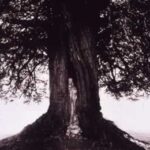
- Lucy Goodison – If God Were a Tree
- Horatio Morpurgo – Climate and Culture: Twin Tipping-Points
Wednesday 17th June, 7.30 for 8pm, W.I. Hall, North Street, Bridport
(£4 entrance, drinks and food available)
IF God Were a Tree
Many people have heard of the legendary appearance of the Virgin Mary in an oak tree at Fatima. Few people realize that similar holy trees were at one time common throughout Europe, from the UK to Crete.
This popular tradition of holy trees is a narrative of dissent that runs through the history of medieval Europe. Country people flocked to special trees for pilgrimage, prayer and visionary appearances of the Virgin Mary alleged to bring healing. Such practices were a direct threat to the power of the Church, as ordinary people by-passed the clergy and church institutions to set up a direct route to the divine.
The roots of the tradition were older than Christianity. Evidence from prehistoric Crete shows rituals around trees, reflecting a tradition that founded its spirituality in nature before there was any sign of anthropomorphic divinities. At a time of environmental crisis, the tradition offers an example of a different, more appreciative relationship with nature which was widespread in the past and in some places still survives.
Climate and Culture – Twin Tipping-Points
From its 16th century beginnings, modern science promised a new mastery over nature. But it promised more, too. Horatio will illustrate with reference to the explorers who sailed from western ports, particularly Francis Drake and his circumnavigation. The crew’s response to the natural world they were encountering for the first time on that voyage was suppressed in all official accounts for nearly fifty years. Even then it was systematically played down. Why was that?
The findings of Charles Darwin and Charles Lyell three centuries later brought about a comparable shift in world view. And its implications were explored unflinchingly in the works of Thomas Hardy. Horatio will explore both that West countryman’s love of his native landscape and his engagement with lives deprived of religious consolation. Hardy’s frankness outraged contemporaries. But his courage recommended him to the next generation.
How might such past transformations inform today’s debate? Might they have a part in how the Marine Protected Area in Lyme Bay develops? Or in Bridport’s Neighbourhood Plan? How should we engage with those in politics or the media, whether local or national, who continue to dodge the implications of the carbon economy?